Orders are dispatched within 3–4 business days on a First In, First Out (FIFO) basis. Please place your order well in advance of your sowing schedule. Thank you for your patience and understanding.
Fresh Seeds Packed with Care & Shipped Across India


To see and take advantage of all discounted products.
Check out HereTwo Hour Online Live Seed Saving Course
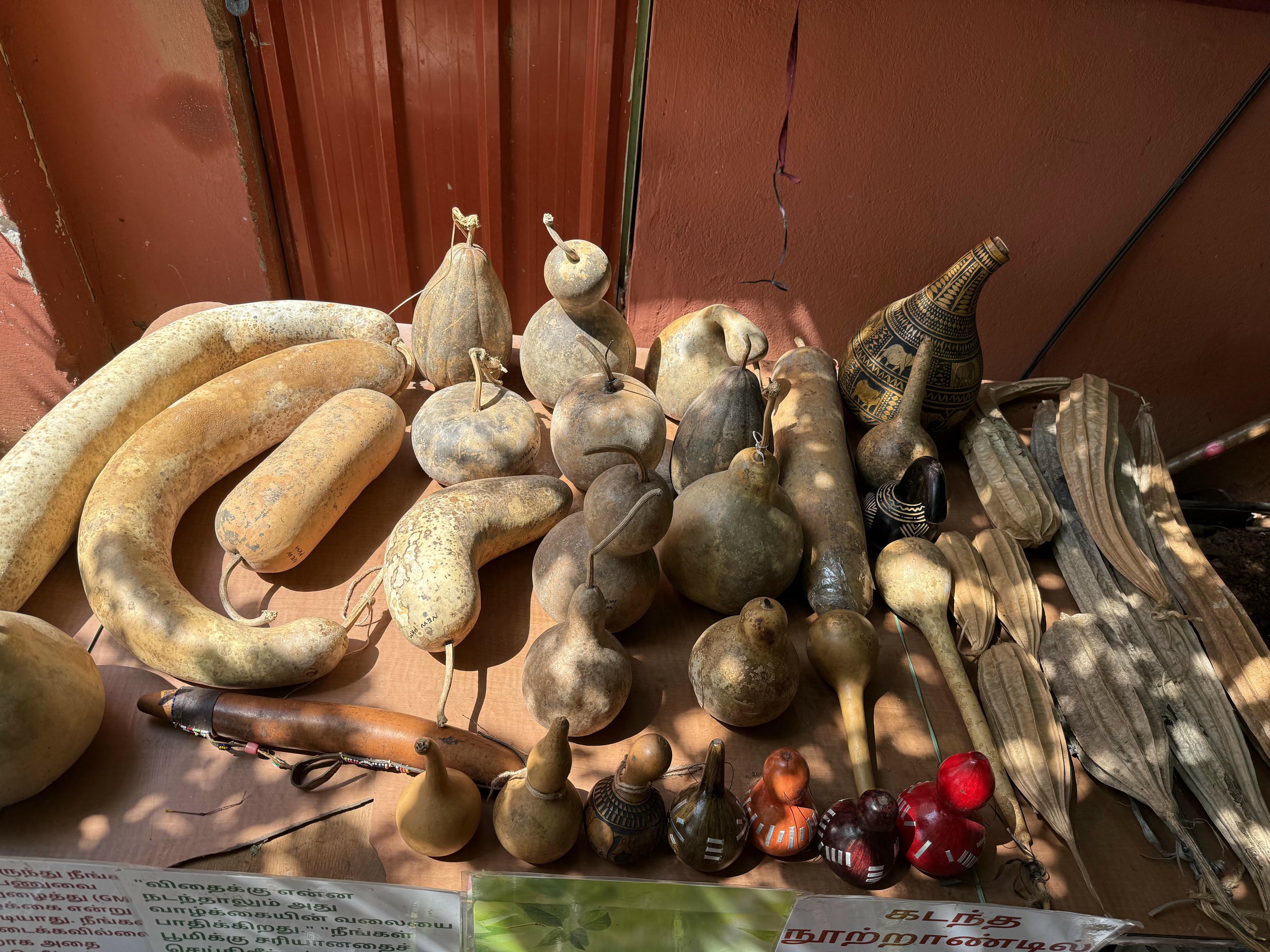

Seeds Are More Than The Beginning Of A Crop
Introduction
Have you ever harvested a healthy tomato, brinjal, chilli, or cucumber from your garden and wondered whether you could save the seeds and grow the next generation yourself?
This beginner-friendly live online course introduces participants to the fascinating world of seed saving. More than simply collecting seeds, seed saving is a valuable skill that helps preserve biodiversity, maintain locally adapted varieties, reduce gardening costs, and build resilient communities of growers.
Through practical explanations and real-world examples, participants will gain a clear understanding of how seeds are formed, how they can be harvested correctly, and how to store them successfully for future growing seasons.
What You'll Learn
The course begins by exploring the importance of seed saving in today’s world and why preserving seed diversity matters for future food security and sustainability.
Participants will learn about:
- The seed industry and its impact on food systems
- GMO and Non-GMO seeds
- Heirloom, hybrid, and open-pollinated seeds
- Different seed types and their characteristics
- Why seed saving is important for gardeners and farmers
Understanding Seed Biology
To become a successful seed saver, it is important to understand how seeds are produced naturally.
Topics covered include:
- How seeds are formed inside plants
- Flower structure and function
- The role of pollination in seed production
- Different pollination methods
- Understanding flower types in vegetable crops
- Identifying crops based on pollination characteristics
This foundational knowledge helps participants avoid common mistakes and improve seed quality.
Seed Saving Principles & Practices
Once the basics are understood, participants will learn practical techniques used by seed savers around the world.
Topics include:
- Principles of quality seed production
- Selecting healthy parent plants
- Isolation and purity considerations
- Determining the right harvest stage
- Wet seed extraction methods
- Dry seed extraction methods
- Crop-specific seed-saving practices
Community Seed Saving & Seed Networks
Seed saving has traditionally been a community activity that strengthens local food systems.
Participants will learn about:
- Community seed collection practices
- Building local seed-sharing networks
- Maintaining seed diversity
- Preserving indigenous and locally adapted varieties
Seed Storage & Longevity
Saving seeds is only half the process. Proper storage is essential to maintain seed viability.
Topics include:
- Cleaning and drying seeds correctly
- Long-term seed storage methods
- Temperature and moisture management
- Choosing suitable storage containers
- Avoiding common storage mistakes
Germination & Seed Starting
The final section focuses on bringing saved seeds back to life.
Participants will learn:
- Factors affecting germination
- Seed viability testing methods
- Seed preparation techniques
- Seed soaking methods
- Common germination problems
- Improving germination success rates
Bonus Resources Included
All participants will receive downloadable PDF resources including:
- Vegetable Seed Soaking Time Guide
- Vegetable Seed Germination Time Chart
Who Should Attend?
This course is ideal for:
- Home Gardeners
- Kitchen Gardeners
- Terrace Gardeners
- Urban Farmers
- Organic Farming Enthusiasts
- Community Garden Volunteers
- Beginners Interested in Seed Saving
No prior experience is required. Whether you are completely new to seed saving or looking to improve your understanding, this course will provide the confidence and knowledge needed to begin your seed-saving journey.


