


Gourd Seeds Collection
Showing 1–16 of 41 results
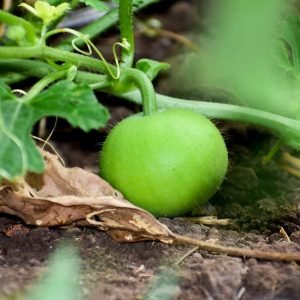
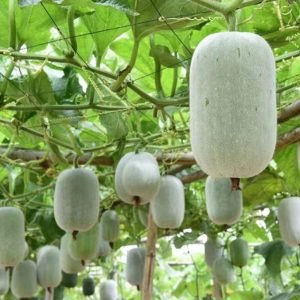
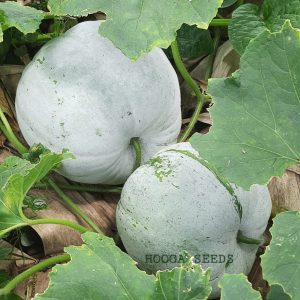
- Planting Time: In India, plant late spring to early summer when the temperature is warm.
- Soil: Choose well-drained, loamy soil with a pH of 6.0 to 7.5.
- Sunlight: Full sun (6–8 hours a day).
- Watering: Keep the soil moist but well-drained; avoid over-watering.
- Space: Space plants 3-4 feet apart; use trellises for vertical growth.
- Fertilizing: Use organic compost
- Pests/Diseases: Watch for aphids, squash bugs, and powdery mildew. Use organic treatments like neem oil.
- Harvesting: Harvest when the fruit is firm, has a waxy coating, and produces a hollow sound when tapped.
- Storage: Store harvested gourds in a cool, dry place or freeze them for long-term storage.
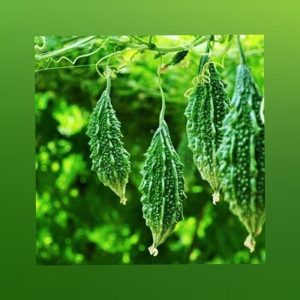

- Climate: Grow in warm tropical climates with temperatures between 25°C and 35°C.
- Soil: Prefer loamy, well-drained soil with a slightly acidic to neutral pH (6.0–7.0).
- Sunlight: Requires 6–8 hours of direct sunlight daily.
- Watering: Water regularly but avoid waterlogging.
- Fertilizing: Use balanced organic NPK fertilizer and add phosphorus and potassium rich organic compost during flowering and fruiting.
- Support: Provide a trellis or vertical support for the vines.
- Pollination: Encourage insect pollination or hand-pollinate if necessary.
- Pests and Diseases: Protect from aphids, whiteflies, and powdery mildew.
- Harvest: Harvest when fruits are white and still firm (before turning yellow or soft).
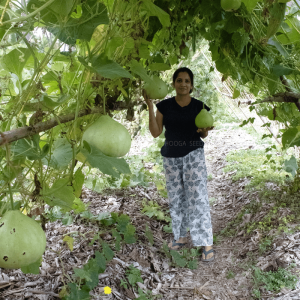
- Climate: Thrives in warm temperatures (25°C to 35°C) with full sunlight.
- Soil: Use loamy, well-drained soil with added organic matter.
- Watering: Keep the soil moist but avoid waterlogging.
- Fertilization: Use organic fertilizers like compost, vermicompost, fish emulsion, and bone meal.
- Pest Control: Manage pests with neem oil, insecticidal soap, and organic methods like companion planting.
- Support: Provide a trellis or fence for vertical growth.
- Harvesting: Harvest when the fruit is still young and tender.
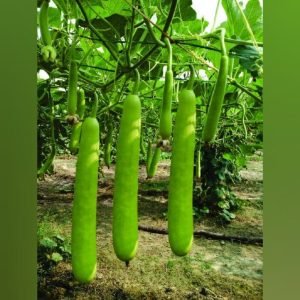
- Climate: Bottlegourd needs warm, tropical to subtropical climates with temperatures between 25°C to 35°C.
- Soil: Plant in well-drained, loamy soil with organic matter and a neutral pH (6.0–7.5).
- Watering: Water regularly to maintain moist soil, but avoid waterlogging.
- Support: Provide a trellis or fence for the vines to climb.
- Fertilization: Use organic fertilizers like compost, fish emulsion, and bone meal to feed the plant.
- Pest Control: Use organic methods like neem oil and hand-picking pests to manage infestations.
- Pollination: Encourage bees
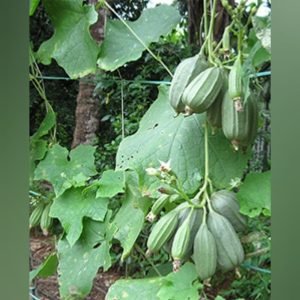
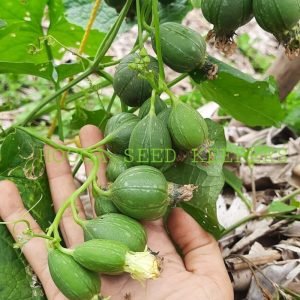


Growing Heirloom Butternut Pumpkin Seeds Organically in India
- Climate: Requires warm conditions (25°C to 35°C) with full sunlight.
- Soil: Prefers loamy, well-drained soil rich in organic matter.
- Watering: Keep soil moist but avoid waterlogging; use mulch to retain moisture.
- Fertilization: Use organic fertilizers such as compost, fish emulsion, bone meal, and neem cake.
- Pest Control: Use organic methods like neem oil, diatomaceous earth, and hand-picking pests.
- Pollination: Hand-pollinate if needed; encourage pollinators with nectar-rich plants.
- Harvesting: Harvest when the skin is hard and deep tan in color. Cure the pumpkins for better storage.

Recently viewed

EM Solution | Effective Micro-organisms Liquid for Plants and Soil – HOOGA Seeds
Quantity: 1 LitreHOOGA Seeds EM Solution is a multi-purpose Effective Microorganisms microbial solution designed to support beneficial microbial activity, soil health, organic matter decomposition and nutrient cycling. Suitable for home gardens, terrace gardens, grow bags, nurseries and farms, it can be incorporated into sustainable soil and crop-management practices according to the product label.
Product Highlights
Product: EM Solution Type: Effective Microorganisms / Microbial Solution Application: Soil, plants, gardening and appropriate composting applications Pack Size: 1 Litre Suitable For: Home gardens, grow bags, terrace gardens, nurseries and farms
Focus: Soil health • Microbial activity • Decomposition • Sustainable cultivation
HOOGA Seeds
Grow Native. Eat Native. Live Healthy.EM Solution for a Healthier Soil Ecosystem
A productive garden isn't created only by adding fertilizer.
It begins with the soil.
Healthy soil contains organic matter, air, water, plant roots and a diverse community of microorganisms.
By supporting microbial activity, EM Solution can become one useful component of a soil-first growing system.


